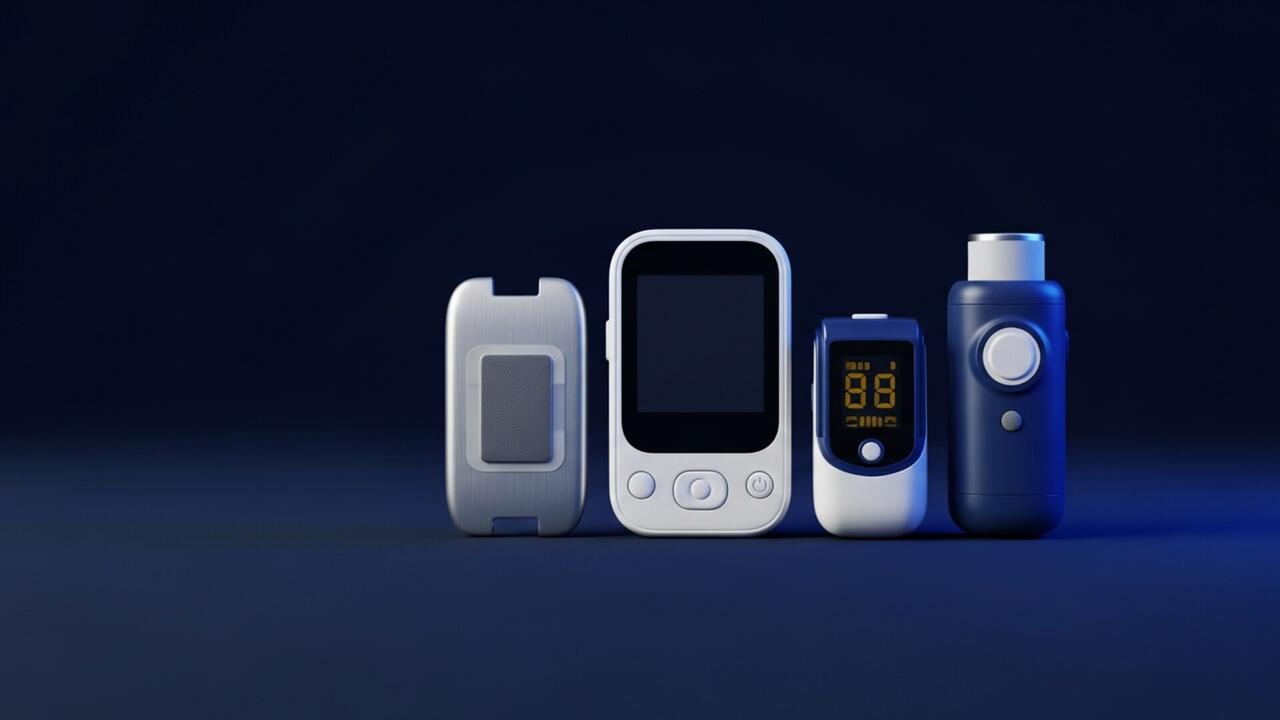
Build Your Medical
Technology with Confidence.
Move your product forward with clear direction, reduced risk, and experienced execution from senior engineers who take real ownership.
Choose the path that fits your stage.
Every medical technology team needs something different. Tell us where you are and we'll match you with the right engagement to move forward.

A low-cost option for self- and under-funded startups. Build a real proof of concept on an affordable monthly budget, and leave with something tangible to show investors plus a plan for what to fundraise for.
Learn More
For funded startups ready to build. Get a clearly defined scope, milestone-based pricing, and a predictable path to your next development phase.
Learn More
For established companies that need consistent development support and predictable monthly costs across production and long-term product evolution.
Learn MoreC3 gives your
medical technology a partner.
Engineering support at every stage.

A better way to build and support medical technology.
Since 2009 we've worked alongside medical technology teams — from solo founders to large corporations — as they move products through development, regulatory clearance, and into the hands of clinicians and patients.
We bring senior engineers who take real ownership across electronics, embedded software, cloud, IoT, and mobile — so progress stays steady, surprises stay rare, and the partnership keeps going long after launch.
A simple, flexible path forward.
Which solution is right for you?
Answer a few quick questions and we’ll point you to the C3 solution that fits where your device is today.