


Take the guesswork out of the equation with our budgeting calculator and empower yourself to focus on what really matters: Bringing innovation to life.







Take the guesswork out of the equation with our budgeting calculator and empower yourself to focus on what really matters:
Bringing innovation to life.
Understanding medical device software is crucial for stakeholders in the healthcare technology sector. This section aims to provide an overview of the importance of software in medical devices, highlighting how it enhances functionality and ensures compliance with regulatory standards.
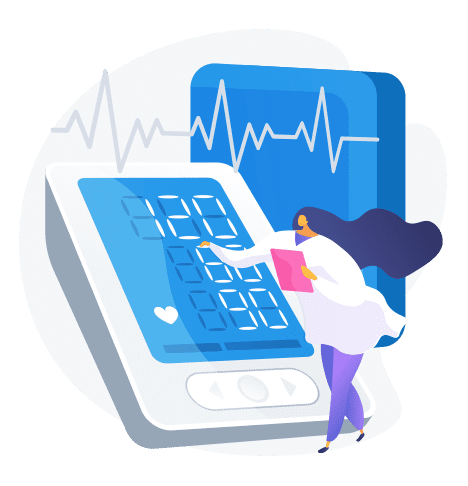
Medical device software plays a pivotal role in the development of innovative healthcare solutions. For instance, software applications in devices such as insulin pumps or heart monitors not only improve patient outcomes but also streamline data collection for healthcare providers, ultimately leading to better decision-making.
Staying updated on the latest trends in medical device development is essential for companies aiming to maintain a competitive edge. This section will explore emerging technologies, regulatory changes, and market demands that shape the landscape of medical device software.
Recent advancements, such as the integration of artificial intelligence and machine learning in medical devices, are transforming the industry. These technologies enable predictive analytics, which can anticipate patient needs and improve the overall efficiency of healthcare delivery.
Examining case studies of successful medical device software implementations can provide valuable insights for stakeholders. This section will delve into real-world examples of how effective software solutions have led to improved patient care and operational efficiency.
For instance, a case study involving a remote patient monitoring system showcases how software development facilitated continuous patient engagement and timely interventions, resulting in reduced hospital readmissions and enhanced patient satisfaction.
Implementing best practices in medical device software development is crucial for ensuring safety, efficacy, and compliance. This section will outline key strategies that developers should follow to navigate the complexities of the medical device landscape.
Best practices include conducting thorough risk assessments, adhering to FDA guidelines, and engaging in iterative testing and validation processes. By following these practices, developers can mitigate risks and enhance the reliability of their medical software solutions.