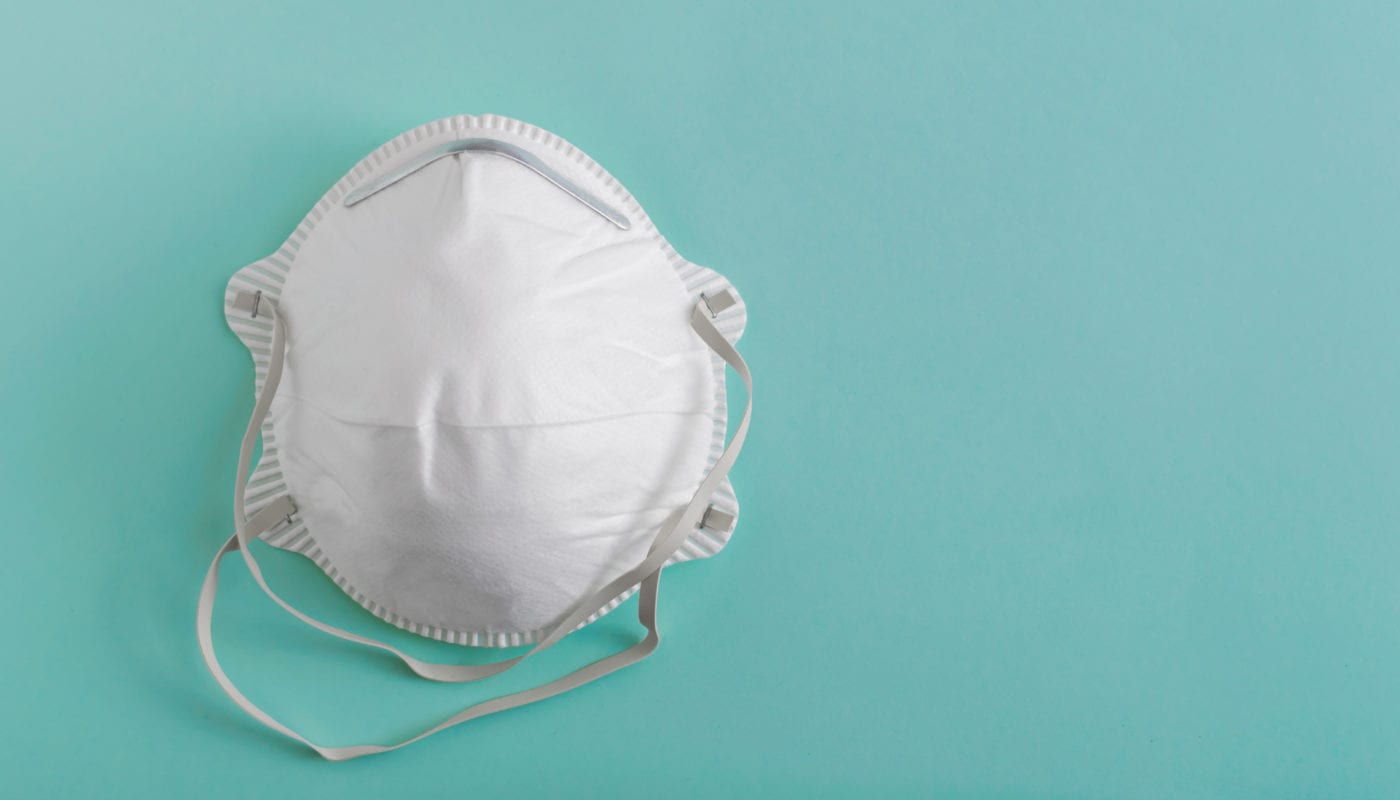
Comprehensive Guide to Medical Device Development
Understanding the intricacies of medical device development is crucial for success in the industry. This guide provides a thorough overview of the entire process, from initial concept to market launch, ensuring that stakeholders are well-informed and prepared at each stage.
Key phases of medical device development include ideation, design, prototyping, regulatory approval, and post-market surveillance. Each phase requires careful planning and execution to meet both regulatory standards and user needs, ultimately leading to a successful product that improves patient outcomes.
Latest Trends in Medical Device Technology
The medical device industry is constantly evolving, with new technologies emerging that enhance patient care and streamline operations. Staying updated on the latest trends is essential for professionals looking to innovate and maintain a competitive edge.
Recent advancements include the integration of artificial intelligence for diagnostics, telemedicine solutions for remote patient monitoring, and advanced materials for device manufacturing. These trends not only improve functionality but also address pressing healthcare challenges, paving the way for the future of medical devices.
Common Challenges in Medical Device Consulting
Medical device consulting can present several challenges, ranging from regulatory compliance to market access. Understanding these challenges is essential for both consultants and clients to navigate the complex landscape of medical device development effectively.
Common issues include keeping up with changing regulations, ensuring product safety and efficacy, and managing stakeholder expectations. By addressing these challenges proactively, consultants can provide valuable insights and strategies that lead to successful project outcomes.
Case Studies: Successful Medical Device Launches
Examining case studies of successful medical device launches provides valuable lessons and insights for aspiring developers. These real-world examples highlight best practices and innovative approaches that can be applied to future projects.
Notable case studies include the introduction of wearable health monitors and minimally invasive surgical tools, both of which have transformed patient care. These examples demonstrate the importance of thorough market research, user feedback, and iterative design in achieving success in the medical device arena.