

Take the guesswork out of the equation with our budgeting calculator and empower yourself to focus on what really matters: Bringing innovation to life.





Take the guesswork out of the equation with our budgeting calculator and empower yourself to focus on what really matters:
Bringing innovation to life.
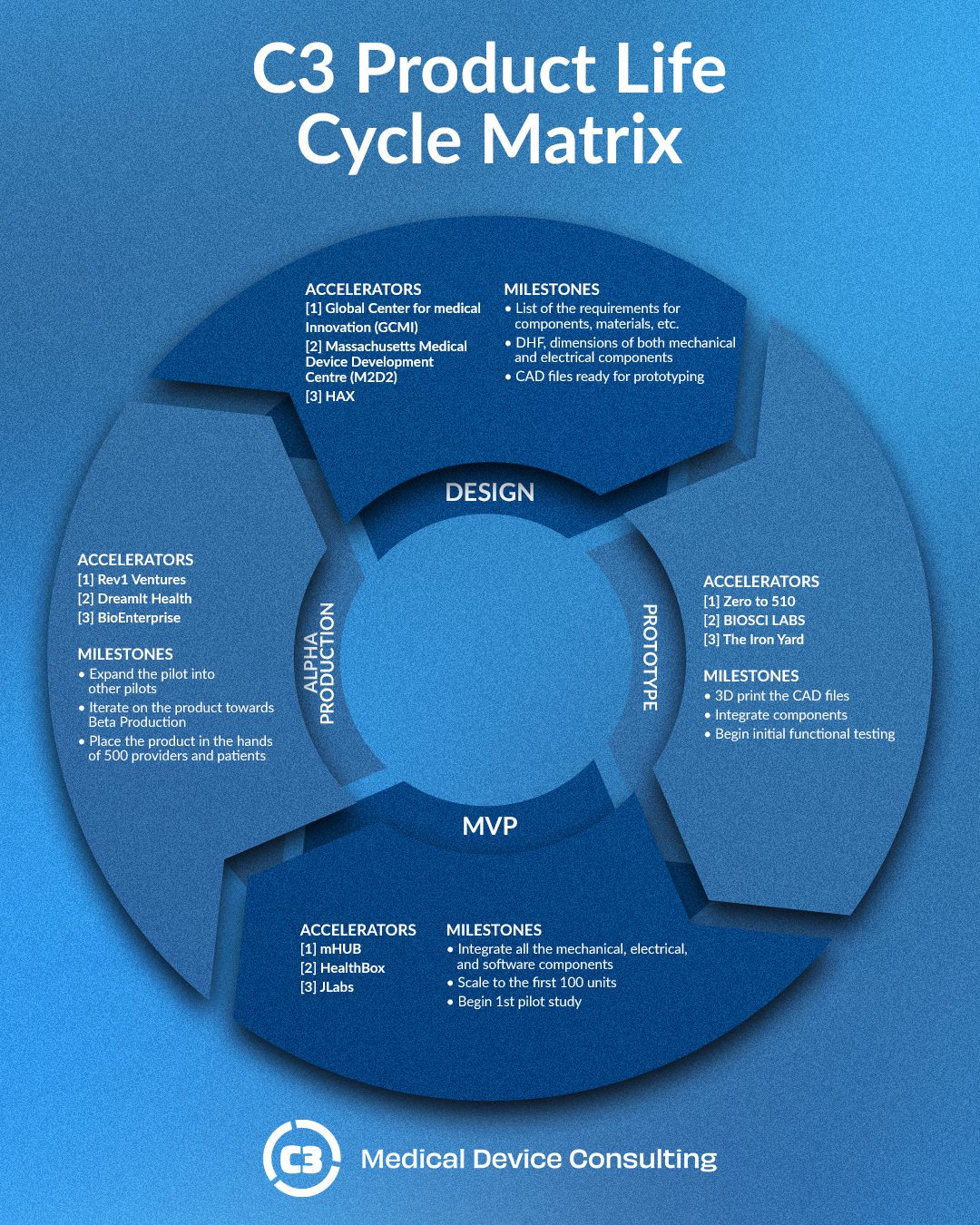
Medical device consulting is a multifaceted discipline that encompasses various aspects of the medical device lifecycle, including design, development, regulatory compliance, and market entry. This guide aims to provide an overview of the essential services offered by medical device consultants, helping stakeholders understand how they can leverage expertise to enhance their projects.
From navigating FDA regulations to optimizing product design for user needs, medical device consultants play a crucial role in ensuring that devices meet both safety and efficacy standards. By collaborating with experienced professionals, companies can streamline their processes and increase their chances of successful market entry.
Emerging technologies are revolutionizing the medical device industry, offering innovative solutions that enhance patient care and improve operational efficiency. This section explores the latest advancements, such as artificial intelligence, machine learning, and telemedicine, and how they are being integrated into medical devices.
For instance, AI-driven analytics can help in predictive maintenance of medical equipment, while telemedicine devices enable remote patient monitoring. Understanding these technologies is essential for professionals in the field to stay competitive and responsive to market demands.
Navigating the regulatory landscape is a critical aspect of medical device development. This section delves into the various regulatory pathways, including 510(k) submissions and premarket approvals, providing insights into the requirements and timelines involved.
By comprehending the intricacies of these pathways, companies can better prepare their submissions, ultimately reducing time to market. This knowledge is vital for ensuring compliance with FDA regulations and achieving successful product launches.
Adhering to best practices in medical device design and development is essential for creating safe and effective products. This section outlines key principles, such as user-centered design, iterative testing, and risk management strategies that should be integrated throughout the development process.
By implementing these best practices, companies can enhance product usability, minimize risks, and ensure compliance with regulatory standards. This proactive approach is crucial for fostering innovation and maintaining a competitive edge in the medical device market.