Comprehensive Guide to Medical Device Development
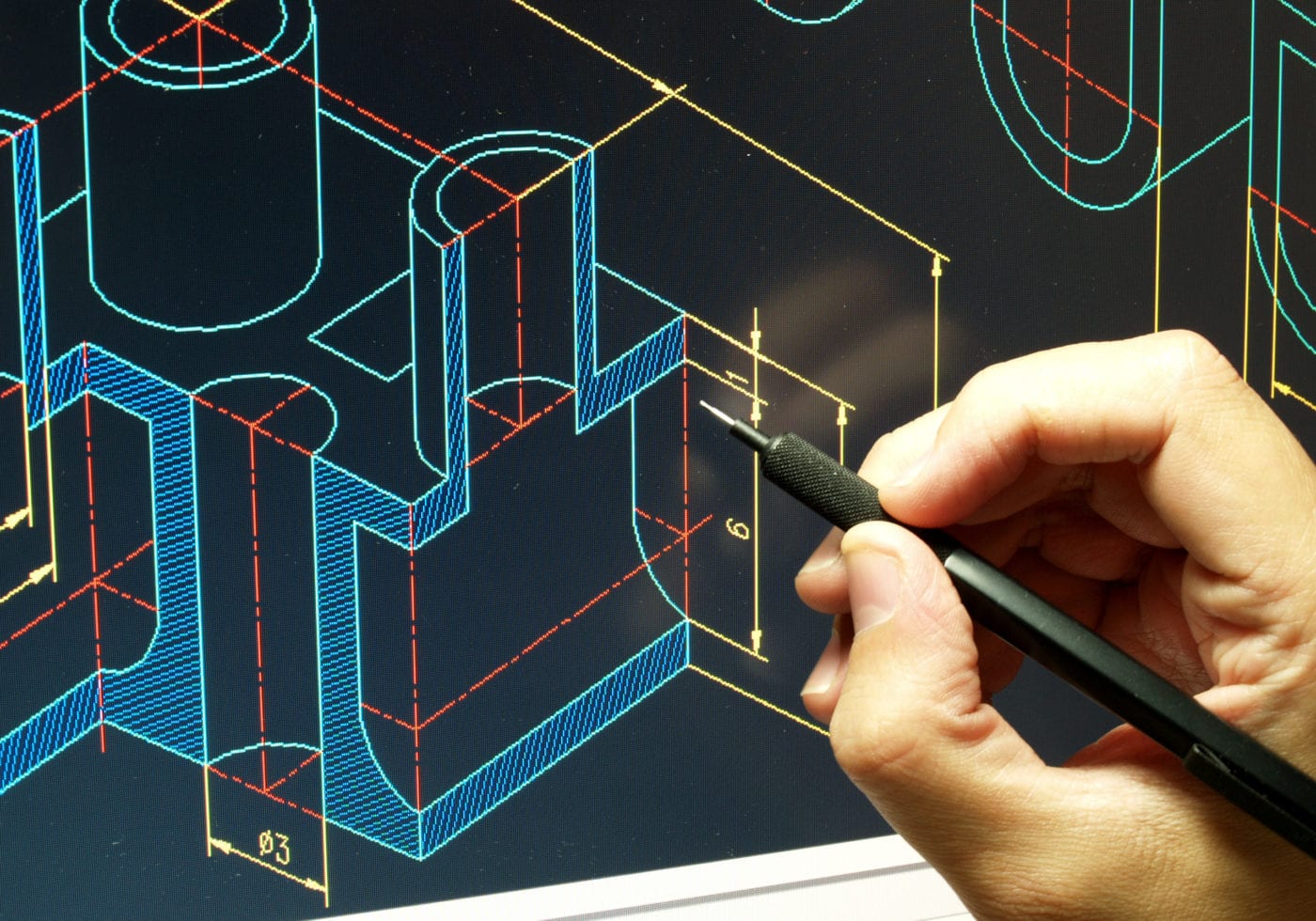
The medical device development process is intricate, involving multiple stages from conception to market launch. This comprehensive guide aims to provide insights into each phase, including design, prototyping, testing, and regulatory approval, ensuring that innovators understand the critical steps necessary for success.
Understanding the medical device lifecycle is essential for stakeholders. For instance, the design phase requires collaboration among engineers, designers, and regulatory experts to create a product that meets both user needs and compliance standards. By following a structured approach, companies can significantly reduce time-to-market and enhance product viability.
Understanding Regulatory Considerations in Medical Device Development
Regulatory considerations play a pivotal role in the development of medical devices. Navigating the complex landscape of regulations set by authorities such as the FDA is crucial for ensuring that devices are safe and effective for public use. This section outlines the key regulatory pathways and requirements that developers must consider.
For example, understanding the differences between Class I, II, and III devices can guide companies in selecting the appropriate regulatory strategy. Moreover, engaging early with regulatory bodies can help in identifying potential hurdles and streamlining the approval process, ultimately saving time and resources.
Innovative Technologies Shaping the Future of Medical Devices
The future of medical devices is being shaped by innovative technologies such as artificial intelligence, telemedicine, and wearable health monitoring. This section explores how these advancements are transforming the industry, improving patient outcomes, and enhancing the overall healthcare experience.
For instance, AI algorithms are being integrated into diagnostic devices, enabling faster and more accurate assessments. Similarly, telemedicine solutions are allowing remote patient monitoring, which is particularly beneficial in managing chronic conditions. By embracing these technologies, companies can position themselves at the forefront of the evolving medical landscape.
Building Effective Partnerships in Medical Device Development
Forming strategic partnerships is essential in the medical device industry, as collaboration can lead to shared resources, expertise, and innovation. This section discusses the importance of building effective partnerships and how they can enhance the development process.
Successful partnerships can take many forms, including collaborations with research institutions, technology providers, and regulatory consultants. For instance, partnering with a university can provide access to cutting-edge research and development capabilities, while working with regulatory experts can streamline the approval process. By leveraging these alliances, companies can enhance their competitive edge and drive successful product launches.